
Potty with Pull-Ups ft. Disney
Kimberly-Clark CorporationEducation
4.173.00 Reviews
- Version
- 1.3.1
- Installs
- 100.00K
- Age Rating
- Everyone
Screenshots

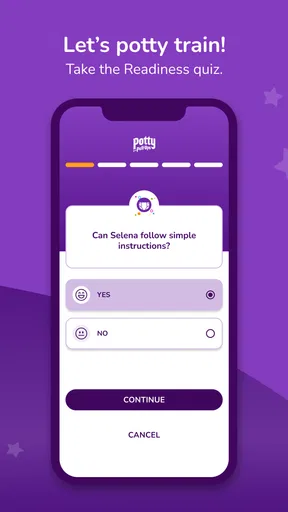
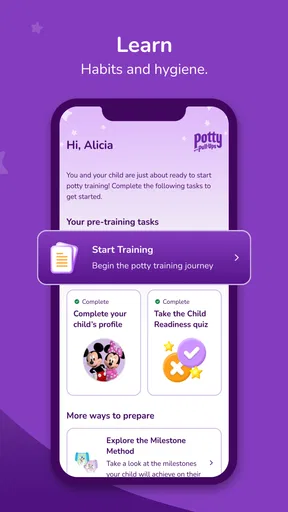
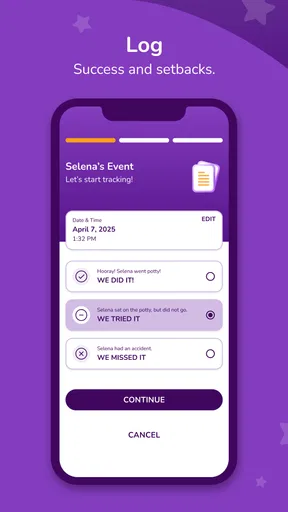
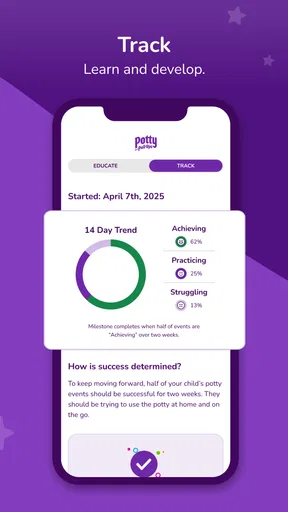
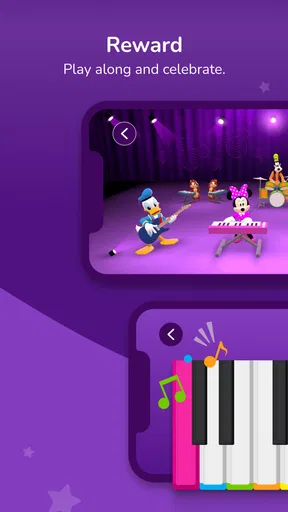
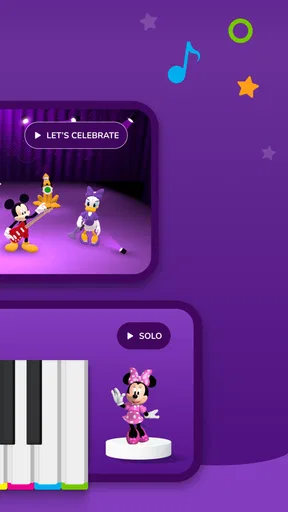

Our Review of Potty with Pull-Ups ft. Disney
 Analysis by Appyee
Potty training is rarely a neat, predictable process, and that is exactly where Potty with Pull-Ups® ft. Disney® tries to help. I approached it less like a conventional game and more like a small routine-building tool for parents and children. Its purpose is to make toilet practice feel visible, encouraging, and a little more playful, rather than turning every attempt into a negotiation.
This is a free education app from Kimberly-Clark Corporation, aimed at everyone and designed around potty training with Pull-Ups and Disney-themed motivation. The app has reached over 100 thousand installs, holds a 4.1 average from around 734 ratings, and has 73 written reviews. Those figures suggest a useful level of interest, while also hinting that families will have different experiences depending on how their child responds to reward-based routines.
I think the most important thing to understand is that this is not a replacement for parental guidance, a pediatrician, or a complete toilet-training method. It works best as a shared tool: the adult sets the expectations, the child takes part in the routine, and the app gives the process a more concrete shape.
How the app feels during everyday potty training
I find the app most useful when it fits around a family’s existing rhythm rather than taking over a bathroom visit. Keeping the phone with the adult and choosing a brief moment to recognize an attempt can help the child stay focused on learning, not tapping. That practical routine also raises a separate question for parents: what should they consider about trust, privacy, and control when a young child uses an app?
Quick moments matter more than long sessions
For this kind of app, speed is not about loading into an elaborate game or spending a long time exploring menus. The useful test is whether a parent can open it when a child is restless, record or acknowledge a training moment, and move on without turning the bathroom visit into extra screen time. In my view, that is the right standard for judging it.
The Disney presentation gives the experience a friendlier entry point for children who already recognize those characters. That can make the first interaction less intimidating, especially when the child is tired, resistant, or unsure about using the toilet. The strongest use of the app is therefore brief and purposeful: check in, celebrate progress, and return attention to the real-world routine.
I would avoid treating it as an activity that needs to occupy a child for a long stretch. Potty training works better when the phone stays secondary. If a child becomes more interested in tapping through the app than in understanding the bathroom habit, the tool is being used for too long. A short interaction after a genuine attempt is more useful than opening it repeatedly just to keep the child entertained.
That also affects perceived responsiveness. A parent is likely to notice delays more during a rushed bathroom moment than during relaxed play. Keeping the device nearby, closing unrelated apps beforehand, and opening the training tool before a predictable routine can reduce friction. These are simple habits, but they matter more here than impressive visual effects.
A realistic routine at home
Imagine a child who is beginning to notice the need to go but still has accidents during the day. After breakfast, a parent suggests a bathroom visit, helps with clothing, and lets the child participate in the app afterward. The Disney elements provide a positive ending to the attempt, whether or not the result was perfect. Later, before leaving the house, the same routine can be repeated without making the child feel that an accident has ruined the day.
The practical advantage is consistency. Parents often give reminders in the middle of cooking, getting dressed, packing a bag, or preparing for bed. A visual record or reward-oriented interaction can help everyone remember what the routine is supposed to look like. It can also give the child something concrete to discuss: “We tried before leaving,” rather than a vague instruction to use the toilet more often.
My advice is to connect the app with moments that already happen naturally, such as waking up, before going out, after meals, and before bedtime. I would not use it as a reason to interrupt sleep or force repeated attempts. The tool is better at reinforcing a calm pattern than creating one from nothing.
What happens when usage becomes heavier
Heavy use in this context means several family members checking progress, repeated bathroom visits across a busy day, or a child asking to return to the app after every small event. That is when the experience needs boundaries. A training app can support a routine, but it should not become the routine’s only source of approval.
Parents should decide in advance what deserves recognition. If every tap produces the same excitement, the child may start chasing the digital response instead of noticing body signals and learning independence. I found the better approach is to use the app as a brief reflection after a real action. The bathroom visit comes first; the digital acknowledgment comes second.
Another useful trade-off is shared responsibility. Younger children may need an adult to handle the phone, interpret what appears, or prevent accidental navigation. Older preschoolers may enjoy more independence, but that does not mean they should be left to manage the whole training process through a screen. Keeping the device in the adult’s hand during difficult moments can prevent arguments about access.
For families using the app several times in a day, I would also keep the device charged and avoid relying on it during moments when a dead battery or busy phone would create disappointment. The child should still be able to receive encouragement through words, stickers, a hug, or a simple celebration when the app is unavailable. That backup habit is important because potty training does not pause when technology is inconvenient.
Stability and recovery when the routine is interrupted
Reliability here has two sides. First, the app needs to feel dependable enough that a parent can include it in a daily rhythm. Second, the family needs a plan for when the rhythm breaks. Travel, daycare, illness, a new sibling, and ordinary accidents can all disrupt progress. No app can prevent those changes, so I judge this one by whether it encourages a flexible attitude rather than perfection.
The reward-focused approach can be helpful after a setback because it gives the child a fresh starting point. I would frame a missed attempt as one event, not as a failure of the entire training plan. Open the app only when there is something constructive to acknowledge, then return to practical support: clean clothes, a calm explanation, and another opportunity later.
Recovery also means recovering from technical interruptions. If the app closes, the phone switches tasks, or a child loses interest, the parent should not feel compelled to recreate the exact moment. Simply continue the real-life routine and use the app again at the next suitable opportunity. This is one reason I would not make digital progress the sole record of success.
The current version is 1.3.1, and that gives the app a clear, identifiable release state for families deciding whether it fits their devices. Still, version information alone does not tell me how every phone will behave under every condition. Device age, available storage, operating-system differences, and background activity can all affect perceived smoothness. I would keep expectations practical rather than assuming that a child-focused app will behave identically on every handset or tablet.
Resource demands and device limitations
Potty training is often managed on a parent’s personal phone, not a dedicated children’s tablet. That creates a few constraints. The device may be locked, in use for a call, low on battery, or needed for navigation while the family is away from home. Because of that, the app is most useful when it complements a routine that can continue without it.
I would also think carefully about screen size and physical placement. A phone is convenient for a parent but can be awkward for a small child to hold near a bathroom. A larger screen may be easier for shared viewing, though it is less convenient to carry around. In either case, the adult should supervise use around water and keep the device away from splashes. That is ordinary common sense, but bathroom environments are less forgiving than a living room.
Resource demands are not just about battery or storage. They include attention. A child who is already overstimulated may not benefit from more animation or reward cues, even if the app itself is running smoothly. Conversely, a hesitant child may respond well to a familiar Disney connection when a plain checklist feels boring. The right choice depends on temperament, not simply on whether the app opens quickly.
Families who prefer minimal technology may find a paper chart, a timer, or a verbal routine easier to manage. Those alternatives offer more control and no dependence on a phone. On the other hand, they do not provide the same character-based appeal. I see the app as a middle ground between a completely analog chart and a full entertainment game: more engaging than a list, but still intended to serve a practical learning goal.
Who will get the most from it?
I would recommend this app most readily to parents who want a gentle visual aid and whose child enjoys Disney characters. It can be particularly useful when the child understands encouragement better when it is immediate and visible. It may also help co-parents or grandparents follow the same general approach, because a shared routine is easier to maintain when everyone knows what kind of progress is being recognized.
It is less suitable for a child who becomes upset when a reward is delayed, expects constant screen access, or is not interested in the Disney theme. It is also not the right primary tool for families seeking detailed medical guidance, developmental assessment, or a highly customizable training program. In those situations, advice from a healthcare professional or a simpler parent-led method may be more appropriate.
The age rating is Everyone, which fits the app’s family-oriented purpose. That does not remove the need for adult involvement. “Everyone” describes who can access the content, not who should be responsible for interpreting potty-training progress. Parents still need to watch for stress, pain, persistent difficulty, or signs that the child needs professional support.
One non-obvious strength is that the app can help parents notice their own language. If every interaction is framed as winning or losing, toilet training may become tense. Used thoughtfully, a reward screen can remind an adult to praise effort, communication, and trying—not only successful toilet use. That small change in wording can be more valuable than the digital reward itself.
How it compares with ordinary alternatives
A paper chart is usually better for flexibility. You can draw symbols, change the reward rules, include daycare notes, and adapt the system to a child’s personality without waiting for an app. It also keeps the process visible on a wall rather than tying it to a parent’s phone. For families who want a low-tech plan, the paper option remains strong.
A digital timer or reminder is better when the main problem is remembering bathroom opportunities. It is less emotionally engaging, but it may be enough for a child who does not need characters or rewards. A parenting book or professional consultation is better when the family needs explanations about readiness, setbacks, constipation, fear, or other concerns that a motivational app cannot address.
Where this app has an advantage is the combination of a child-friendly theme and a training-focused purpose. It gives the routine a little more personality than a checklist without asking parents to build a reward system from scratch. The trade-off is that its appeal depends heavily on the child’s response to Disney and to digital encouragement. If either element misses the mark, the simpler alternatives may work better.
My performance verdict
After looking at it as a practical family tool, I see Potty with Pull-Ups® ft. Disney® as a focused companion rather than a complete potty-training solution. Its perceived speed matters because bathroom moments are short, but its bigger performance test is whether it stays out of the way. The best result comes when the app supports a calm, repeatable habit and does not demand prolonged attention.
Its free price makes experimentation easy, and the education category accurately reflects its purpose. The developer, Kimberly-Clark Corporation, has positioned it around training, tracking, and encouragement rather than general children’s entertainment. That focus is useful for parents who want one specific tool, though it also means the app may feel narrow once a child no longer needs digital motivation.
I would start with a small trial during predictable parts of the day. Let the child see how the reward element fits into the routine, watch whether it encourages cooperation or creates demands for more screen time, and adjust accordingly. If the child becomes calmer and more willing to try, keep it as a short daily aid. If the child becomes fixated on the phone, move the praise back to conversation and use the app less often.
My final recommendation is positive but measured: this is worth trying for families who want Disney-themed encouragement and a simple digital structure around potty training. I would not depend on it for every bathroom visit, and I would not choose it over professional guidance when there are health or developmental concerns. Used with clear limits, a charged device, and plenty of offline praise, it can make an awkward stage feel more manageable without pretending that an app can do the parenting for you.
Verdict
Strengths of Potty with Pull-Ups ft. Disney
- Fun Disney characters make potty training more engaging for children.
- Interactive activities help reinforce bathroom routines and habits.
- Designed specifically for toddlers and preschool-aged children.
- Simple controls are easy for young users to understand.
- Can provide extra motivation between real-life potty-training attempts.
Limitations of Potty with Pull-Ups ft. Disney
- Some content may feel repetitive after regular use.
- Requires parental guidance to connect gameplay with real routines.
- Disney branding may appeal less to children who prefer other characters.
- Progress in the app does not replace consistent real-world practice.
- Availability and features may vary by device or operating system.
Similar Picks in This Category
View All
Duolingo: Language Lessons
Duolingo4.7

Google Classroom
Google LLC2.8

Unacademy: Learn & Crack Exams
Unacademy3.2

Bible App for Kids
Life.Church4.4

Cake - Learn English & Korean
Cake Corp.4.7

Brainly: AI Homework Helper
Brainly4.5
Frequently Asked Questions
What is Potty with Pull-Ups ft. Disney?
Potty with Pull-Ups ft. Disney is a family-focused potty-training app designed to make toilet learning more engaging for young children. It uses familiar Disney characters, interactive activities, encouragement, and progress-based elements to help children understand potty routines. The app is intended to support parents and caregivers, rather than replace their guidance, patience, or advice from a pediatric professional.
What age group is Potty with Pull-Ups ft. Disney suitable for?
The app is primarily aimed at toddlers and preschool-aged children who are beginning or continuing potty training. The exact suitability depends on a child’s development, communication skills, and readiness to use the toilet independently. Some children may enjoy the activities immediately, while others may need a parent to demonstrate how everything works and connect the app’s lessons with their everyday bathroom routine.
Does Potty with Pull-Ups ft. Disney work without an internet connection?
Some features may be available after the app has been installed, but internet access can be required for initial downloads, updates, account-related functions, or certain media and interactive content. Availability may also vary according to the device and app version. If you plan to use it while traveling or away from Wi-Fi, open the app beforehand and check which activities remain accessible offline.
Is Potty with Pull-Ups ft. Disney free to download and use?
The app’s download and included features can depend on the current version, region, and platform. Before installing, parents should review the Google Play Store or Apple App Store listing for the latest information about pricing, optional purchases, advertising, and account requirements. It is also sensible to check parental controls, since children may interact with buttons or links that are not intended for them.
Can Potty with Pull-Ups ft. Disney replace parental supervision or professional advice?
No. Potty with Pull-Ups ft. Disney is best used as an entertaining support tool alongside a consistent routine, positive encouragement, and direct supervision from an adult. Potty training differs considerably from child to child, and the app cannot assess medical, developmental, or behavioral concerns. If training becomes unusually difficult or you notice pain, persistent constipation, or other symptoms, consult a qualified healthcare professional.
